
Footprint® WMS
Expect More From Your WMS.
Fall In Love With It Again.
Growing 3PLs are managing rising customer expectations, increasing operational complexity, and the demands of multi-client warehouse operations.
As your business evolves, your warehouse management system should adapt with you, not hold you back.

Trusted By Leading 3PLs
The 3PL Industry Is Changing. Fast.
Growing complexity, higher customer expectations, labor shortages, and demands for real-time visibility are pushing 3PLs to modernize their warehouse technology.

Start With What Matters Most Right Now
Discover
I'm exploring warehouse modernization.
- AI & automation insights
- Expert blogs & guides
- Upcoming webinars
Solve
I'm trying to solve operational challenges.
- Multi-client billing & cloud deployment
- Labor management
- Customer onboarding
Compare
I'm evaluating my options.
- Vendor comparisons
- Demo Day Question Playbook
- Customer case studies
Why 3PLs Replace Their WMS

Your Customers Changed
Customers now expect real-time visibility, self-service portals, and seamless system integrations.
Your Business Became More Complex
Growth brings more clients, new billing models, expanded value-added services, and greater operational complexity.
Your WMS Stopped Keeping Up
Legacy WMS platforms can slow customer onboarding while limiting flexibility and operational visibility.
Report
3PL Market Research Report
Drawing on perspectives from both 3PL providers and shippers, this report from Inbound Logistics examines how organizations are navigating changing market conditions, evaluating emerging technologies, and preparing for future growth. Sponsored by Datex.
Featured Insight

Success Stories From 3PLs Like You
View All Success StoriesCrane Worldwide Logistics
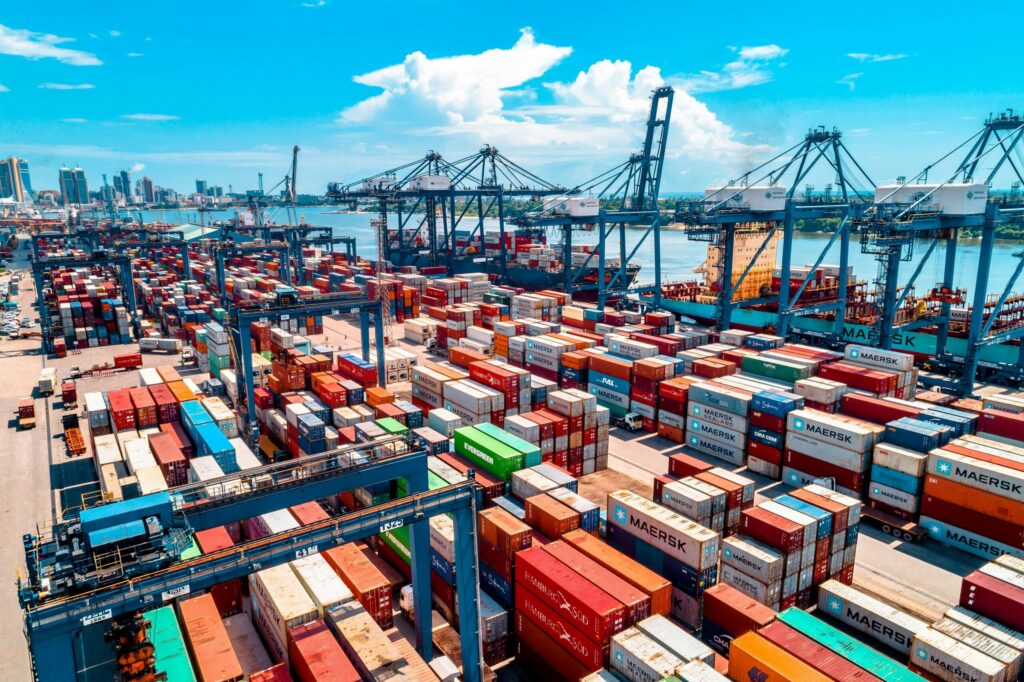
This supply chain solutions leader scaled 3PL operations fast.
See How They Did It
Watco
This rail transportation and freight solution 3PL improved inventory accuracy and streamlined billing.
See How They Did It
Nor-Am Cold Storage
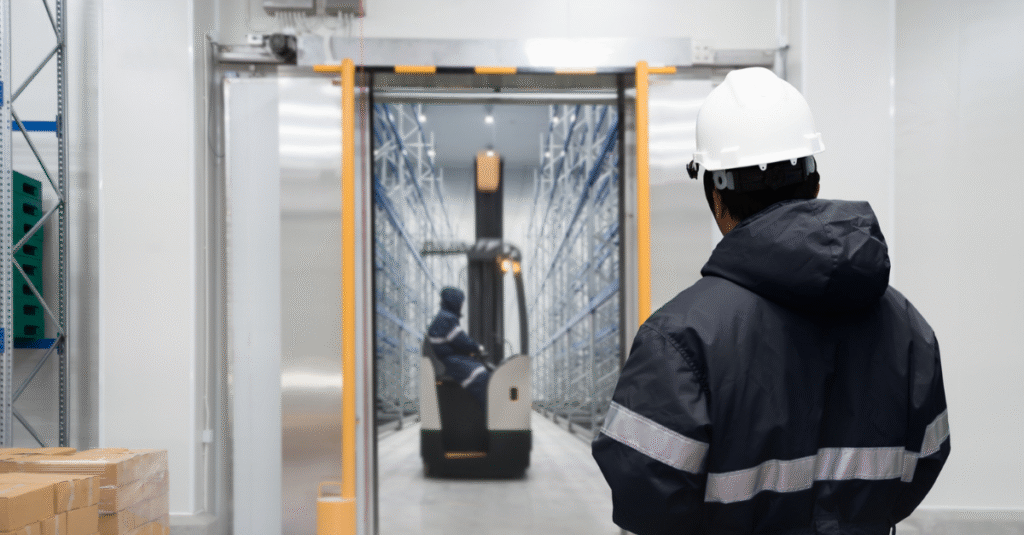
This cold storage and logistics company scaled and streamlined its warehouse operations.
See How They Did It

Frequently Asked Questions
What technology does a modern 3PL need to stay competitive?
A modern 3PL needs a warehouse management system (WMS) with real-time inventory visibility, multi-client warehouse management, integrated billing, customer self-service, automation support, and flexibility.
Together, these capabilities help improve operational efficiency, quickly adapt workflows, onboard customers faster, deliver better customer experiences, and scale warehouse operations as customer expectations continue to evolve.
What warehouse management software works for controlled environments?
Warehouse management software for controlled environments should support temperature-controlled operations, inventory segregation, lot and expiration tracking, audit trails and configurable compliance workflows.
These capabilities help operators protect product integrity, maintain traceability and manage regulated, bonded and temperature-sensitive inventory while supporting validation and compliance requirements specific to their operations.
How does warehouse management software help 3PLs scale?
Warehouse management software helps 3PLs scale by streamlining multi-client operations, automating inventory management and billing, and providing the visibility needed to meet customer SLAs.
A modern WMS enables providers to onboard new customers, manage higher order volumes, and adapt to growing operational complexity without increasing costs at the same pace.
What should a modern 3PL WMS include?
A modern 3PL WMS should include real-time inventory visibility, multi-client warehouse management, integrated billing, customer self-service, automation support, and configurable workflows.
These capabilities help 3PLs improve efficiency, onboard customers faster, maintain inventory accuracy, and adapt to changing business requirements without complex custom development.
What are the signs your current WMS is holding your business back?
Signs your current WMS is holding your business back include limited inventory visibility, manual billing processes, slow customer onboarding, inefficient warehouse operations, and difficulty scaling as demand grows.
A modern WMS helps automate critical workflows, improve accuracy, and provide the flexibility needed to support growth and evolving customer expectations.
How can a 3PL improve customer visibility?
A 3PL can improve customer visibility by providing a modern customer portal with real-time inventory visibility, order tracking, reporting, and billing transparency.
Self-service access gives customers immediate insight into their operations, reduces routine support requests, and helps build stronger, longer-lasting customer relationships.
What is the difference between a traditional WMS and a modern 3PL WMS?
A traditional WMS is typically designed to manage warehouse operations, while a modern 3PL WMS is built to support the unique needs of third-party logistics providers.
In addition to providing real-time inventory visibility, a modern 3PL WMS includes native multi-client warehouse management, integrated billing, customer self-service, and configurable workflows that help 3PLs scale more efficiently.
What should 3PL warehouse management software include for multi-client billing?
3PL warehouse management software should include customer-specific billing contracts, configurable rates, automated charge capture, and flexible invoicing rules for storage, handling, accessorials, value-added services, and freight.
These capabilities help 3PLs apply each customer’s negotiated terms accurately, reduce manual billing errors, consolidate charges, and maintain a clear audit trail between warehouse activity and invoices.
Can Datex integrate with my ERP or TMS?
Yes. Datex can integrate with ERP, TMS and other business systems through open APIs, pre-built connectors, and native EDI capabilities.
These integrations can support order exchange, inventory synchronization, financial data, and shipping workflows while helping you connect your existing technology without replacing your entire system.
How long does implementation typically take?
Timelines vary widely based on project scope and complexity. Straightforward implementations can take 12 weeks or less, while larger, more complex projects may take 12 months or longer.
What are the benefits of moving from an on-premise WMS to a cloud-based WMS?
Moving from an on-premise WMS to a cloud-based WMS can reduce internal IT maintenance, simplify software updates, and provide more flexible scalability, security, and disaster-recovery options.
A cloud deployment can also improve remote accessibility and operational agility while giving organizations the ability to transition gradually through a phased or hybrid migration approach.
What are cartonization and rate shopping in a 3PL warehouse?
Cartonization automatically determines the most appropriate carton for each shipment, while rate shopping compares carriers and service levels to select the best shipping option based on configurable business rules.
Together, these capabilities help 3PLs reduce shipping costs, improve packing accuracy, automate carrier selection, and deliver orders more efficiently across multiple customers.
How does a WMS support kitting and value-added services?
A warehouse management system supports kitting and value-added services through configurable workflows for assembly, relabeling, repackaging, packaging, and customer-specific work instructions.
These capabilities help 3PLs deliver specialized services, improve operational efficiency, maintain inventory accuracy, and meet each customer’s unique fulfillment requirements.
Ready to see Datex in action?
Get a personalized demo tailored to your 3PL operation.